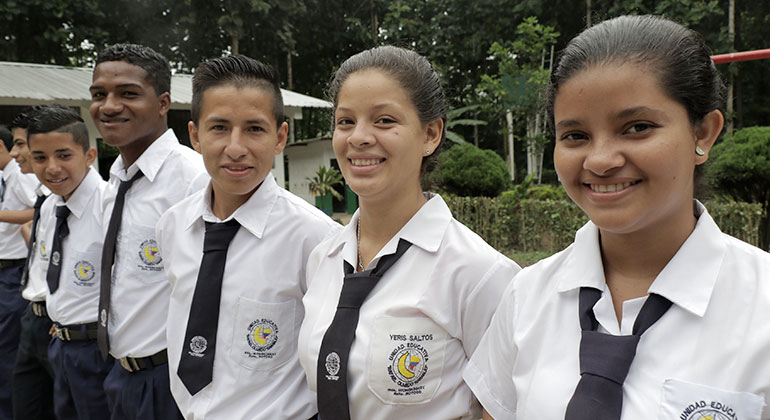
Fundación Wong fue creada en 1993 y ejerce liderazgo significativo en el campo educativo, social y ambiental.
No es una institución filantrópica ni benéfica, más bien una herramienta estratégica del Grupo Wong para su inversión social. Sus programas empoderan comunidades y desarrollan las potencialidades de recursos humanos, creando líderes en las áreas rurales y técnicos para la empresa. Estos recursos, dotados de pensamiento crítico y valores, fomentan la productividad y promueven las buenas relaciones con las comunidades inmersas en las actividades del Grupo.
Fomentar el crecimiento físico, intelectual y espiritual de los niños Ecuatorianos, a través de escuelas rurales y programas relacionados; proteger, estudiar y aprovechar responsablemente la biodiversidad tropical del Ecuador.
Una nueva generación de Ecuatorianos más saludables, preparados, responsables y productivos.

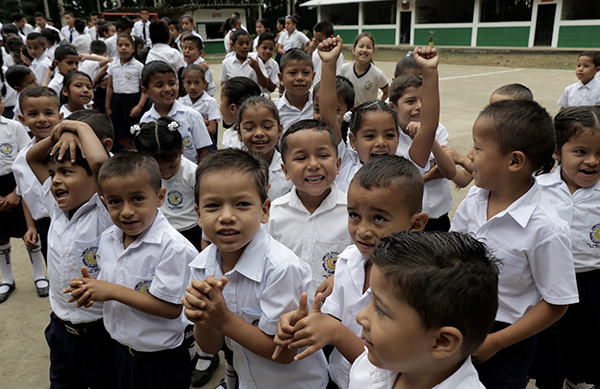
Los programas educativos abarcan niñas, niños, jóvenes y adultos, incluso aquellos quienes habían abandonado sus estudios.
Nuestros objetivos con cada uno de nuestros programas son:
- Fortalecer la educación básica rural.
- Mejorar las condiciones de salud y nutrición de los niños de las escuelas rurales.
- Promover la participación de los padres, la comunidad y otras organizaciones en la educación y desarrollo de los niños y sus familias.
- Proteger el medio ambiente y fomentar el ecoturismo.